Bulging Disc Care in Creve Coeur
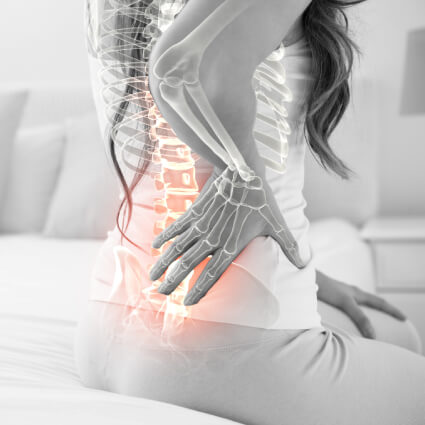 Being told you have a bulging disc can sound intimidating, especially if you’re already dealing with pain, numbness, or tingling. We get it and have some encouraging news: a diagnosis doesn’t automatically mean surgery is the next step. At Ballas Chiropractic and Nutrition Centre, Dr. Wipperman performs a thorough evaluation to understand exactly what’s causing your symptoms before discussing appropriate conservative care options.
What Is a Bulging Disc?
How Disc Problems Affect Other Areas of the Body
One of the more confusing parts of a disc injury is that the discomfort isn’t always felt where the problem began. A disc in the lower back may cause symptoms that travel into the buttock, leg, or foot, while a disc in the neck can produce discomfort, numbness, or tingling in the shoulder or arm. The pattern of those symptoms often provides important clues during the evaluation.
Common Causes of Bulging Discs
Sometimes a disc injury happens suddenly after lifting something heavy or experiencing an accident. Just as often, however, it develops gradually. Years of repetitive movements, physically demanding work, prolonged sitting, previous injuries, posture, and muscle imbalances can all place additional stress on the spine. Over time, those everyday forces may cause changes within the disc.
When Symptoms Shouldn’t Be Ignored
If you’re experiencing persistent back or neck pain accompanied by radiating symptoms, it’s a good idea to get it checked. If pain, numbness, tingling, or weakness continues to spread into the arm or leg, a thorough evaluation can help determine the source. More severe disc conditions may also affect bladder or bowel function. Changes in these areas should never be ignored and should be evaluated promptly. The earlier significant disc involvement is identified, the more options are typically available.
A Conservative Approach First
Disc evaluations at the practice include neurological and orthopedic testing, surface EMG scans, and infrared thermography. These assessments help Dr. Wipperman determine whether symptoms are coming from the disc itself, surrounding joints, muscles, or other structures. Care often begins with a conservative approach designed to assess how the body responds during the first few weeks. We may use specialized traction tables to gently decompress affected areas of the spine.
Our chiropractor may also incorporate therapeutic modalities, targeted stretches, and progressive strengthening exercises to improve stability and movement. It’s also important to consider Inflammation as part of the overall picture. Dr. Wipperman’s recommendations may include nutritional and lifestyle strategies to help reduce inflammatory stress throughout the body. Additional imaging such as an MRI may also be recommended to gather more detailed information.
Frequently Asked Questions
How do I know if my symptoms are coming from a disc?
Will I need surgery for a bulging disc?
Find Out What’s Really Causing Your Disc Pain
If disc-related symptoms are affecting your work, sleep, or daily activities, contact Ballas Chiropractic and Nutrition Centre today to schedule a comprehensive evaluation and find out whether conservative care could be right for you.
