TMJ Care in Creve Coeur
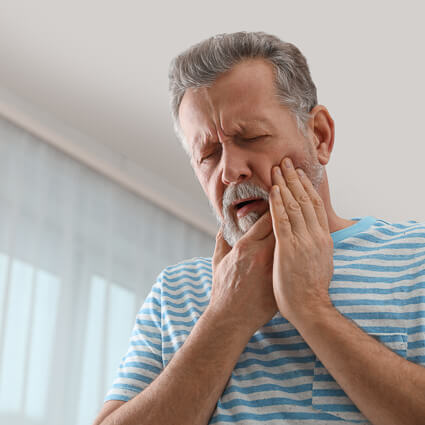 If you’re one of the 35 million Americans who suffer from TMJ disorders, you know full well how jaw pain, clicking, popping, and difficulty chewing can impact your daily life. Here’s what a lot of people don’t realize: TMJ symptoms may be connected to tension in the neck, shoulders, and upper spine.
For some people, TMJ disorders are also accompanied by headaches, neck tightness, ear ringing, or even dizziness that seem unrelated at first. Maybe you’ve been relying on a night guard or just putting up with the discomfort without any lasting improvement. If yes, it may be time to look at the bigger picture.
NEW PATIENTS »
The Jaw and Neck Connection Most People Miss
The jaw works closely with the muscles and joints in your neck and upper back. Every time you chew, yawn, or speak, muscles throughout your head, neck, and upper back work together to coordinate those movements.
A Thorough Approach to Understanding the Cause
Dr. Wipperman starts with a detailed evaluation designed to identify factors contributing to your symptoms. The jaw, neck, posture, and surrounding muscle function are assessed together rather than in isolation.
Our chiropractor uses surface electromyography (EMG) and infrared thermography to evaluate muscle tension and inflammation patterns in the neck and upper back. This information helps him guide a personalized care plan. The frequency of care is often higher at the beginning, depending on the severity of your concerns. Dr. Wipperman may also recommend home stretches, soft tissue techniques, and lifestyle changes.
In some cases, mouth splints may also be recommended. We’ll monitor your progress through follow-up scans to help track changes over time.
Why TMJ Problems Develop
Some people notice TMJ symptoms after an injury. For others, their symptoms develop gradually without any obvious cause. Teeth grinding, jaw clenching, poor posture, everyday stress, and repetitive habits can all place extra strain on the joint over time.
Chewing gum frequently, eating tough foods like steak, or sleeping in a position that keeps the jaw under tension may contribute for some individuals. Often, it’s several smaller factors working together rather than one single event.
When Symptoms Travel Beyond the Jaw
It’s common for people to wonder why their jaw hurts when the pain or discomfort seems to be everywhere else.
Because the jaw shares close muscular and neurological relationships with the neck and upper spine, irritation in one area may be associated with symptoms in another. That’s why some people notice headaches, shoulder tightness, ringing in the ears, or neck discomfort alongside jaw problems.
Frequently Asked Questions
Can chiropractic care help with TMJ symptoms?
Because the jaw and upper cervical spine are closely connected, chiropractic care may help address mechanical and muscular factors associated with TMJ discomfort. A thorough evaluation helps determine whether spinal and muscle dysfunction may be contributing to your symptoms.
Why do I have headaches and neck pain along with jaw pain?
Is stress really a factor in TMJ disorders?
Book an Appointment
Jaw pain, headaches, or clicking sounds aren’t things you should just learn to live with. Contact Ballas Chiropractic and Nutrition Centre today to schedule a comprehensive evaluation and find out what may be causing your symptoms.
